

If you’re thinking about starting a Shopify store, the first thing you might want to know is: “How much will it cost me?” Even in 2026, there’s no single answer, Shopify’s more like a helping tool than a product. You can get a basic store up and running for almost nothing, just a few clicks, and you’re live. Or, if you want something bigger, custom design, special features, branding that really stands out, you’ll spend more.
Shopify can be inexpensive. It can also quietly turn into a five-figure project without anyone doing anything outrageous. The difference usually isn’t the platform. It’s the decisions made during setup.
Blog you might find helpful: https://www.webplanex.com/blog/how-to-build-a-shopify-store-step-by-step/
Table of Contents
- Shopify Store Setup Cost in 2026 (Quick Overview)
- Shopify Platform Pricing (Fixed, but Influential)
- Shopify Theme Cost: Free, Premium, or Custom
- Shopify Design Cost (Often Undervalued)
- Shopify Development Cost (The Largest Variable)
- Shopify App & Integration Costs (Ongoing, Often Ignored)
- Content, Product & Data Setup Costs
- Performance & Speed Optimization Cost
- Total Shopify Store Setup Cost in 2026 (Detailed Summary)
- How to Control Shopify Setup Cost (Without Hurting Quality)
- FAQs
Shopify Store Setup Cost in 2026 (Quick Overview)
So, how much does it cost you? If you choose a free theme and keep things simple, you’re looking at a few hundred bucks to get your store up and running. Just add your products and launch. But as soon as you use those paid themes or start changing the design, maybe getting a few extra apps, the costs increase. If you’re scanning for numbers first, here they are:
- $500 – $2,000 → Basic Shopify store setup
- $2,000 – $6,000 → Custom-designed small business store
- $6,000 – $15,000 → Advanced Shopify / Shopify Plus store
- $15,000 – $30,000+ → Fully custom Shopify Plus builds
Everything below explains why those numbers exist and how to stay on the right side of them.
What “Shopify Store Setup” Actually Includes
A lot of people assume “store setup” just means picking a theme and adding products. Setup includes payment configuration, tax rules, shipping logic, navigation, mobile layout fixes, and making sure checkout actually works the way customers expect. Even small things, like email templates or order confirmation pages, are part of the setup, whether people realize it or not
A Shopify store setup is not just:
- Installing a Theme
- Adding Products
- Connecting Payments
A proper setup usually includes:
- Design Decisions
- Technical Configuration
- Performance Tuning
- Future Scalability Planning
When people compare quotes, they’re often comparing completely different scopes.
Shopify Platform Pricing (Fixed, but Influential)
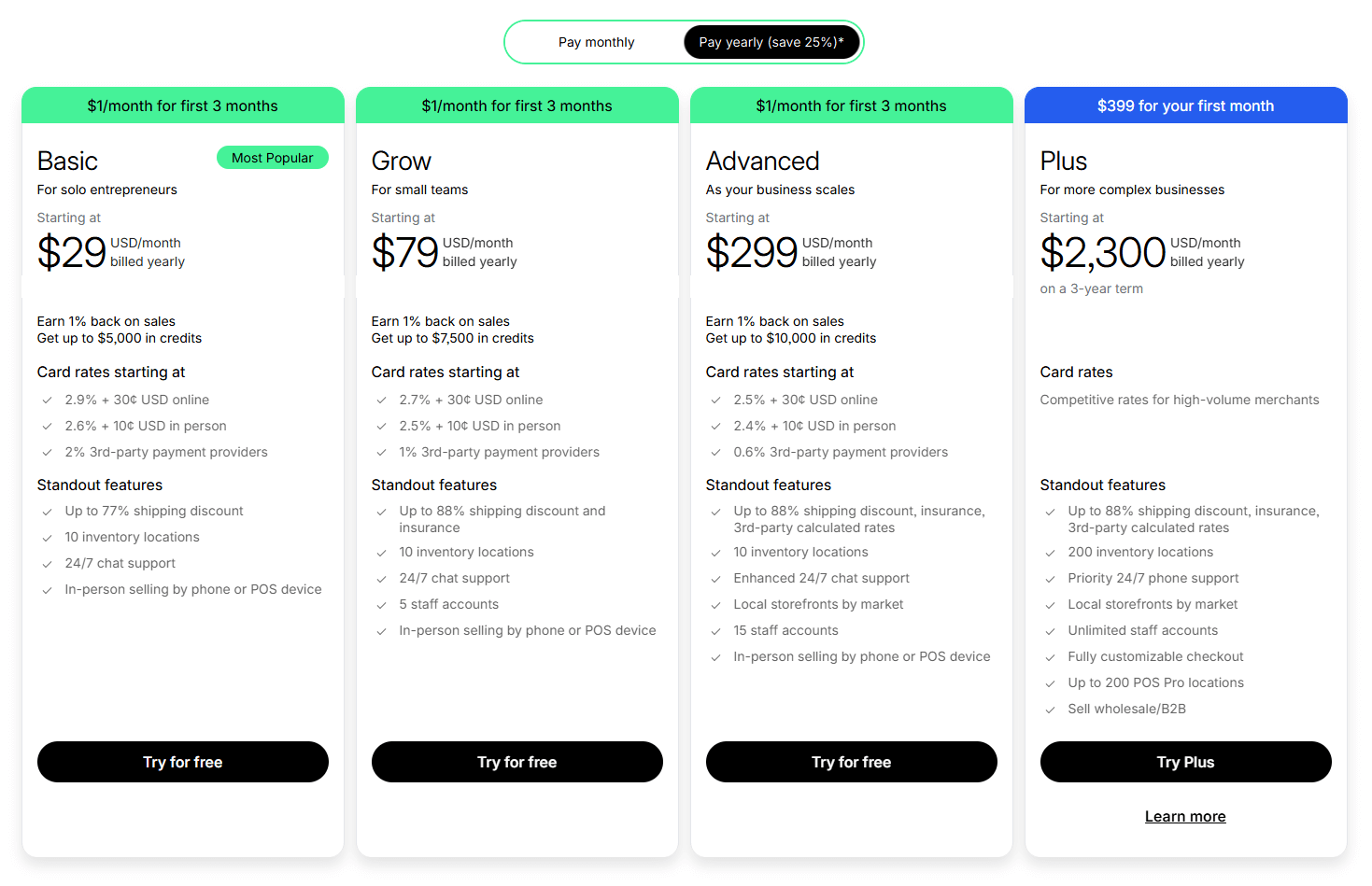
Shopify’s monthly fees look simple at first, but they sneak into your budget in all sorts of ways. That $29 plan seems like a bargain until you add up transaction fees, paid apps, and payment processing. When you move up to the pricier plans, you get extra features and sometimes save money in other areas.
Shopify’s base pricing in 2026 looks like this:
| Shopify Plan | Monthly Cost |
| Basic Shopify | $39 |
| Shopify | $105 |
| Advanced Shopify | $399 |
| Shopify Plus | From $2,300 |
This fee goes directly to Shopify, not the developer.
However, your development requirements often force plan upgrades, especially for:
- Advanced Reporting
- International Pricing
- B2B Features
- Automation Rules
So while this isn’t “development cost,” it directly affects your total setup budget.
Shopify Theme Cost: Free, Premium, or Custom
Themes are one of the first real decisions merchants make. Free themes are fine when you’re starting out, but they come with limits. Premium themes run a few hundred bucks, but they’ll save you a lot of time down the road. Fully custom themes? Those add up quickly, and let’s be real, they’re only worth it if your brand needs something really specific or you want to handle every detail yourself. Most shops just grab a premium theme as a starting point and make small changes along the way instead of jumping straight into a full custom build.
Free Shopify Themes ($0)
Best for:
- Early-stage Startups
- Test Launches
- Single-product Stores
Tradeoffs:
- Limited Layout Flexibility
- Generic UX
- A heavier Reliance on Apps Later
Free themes reduce initial cost but often increase long-term customization cost.
Premium Shopify Themes ($180 – $400 one-time)
This is the most common choice in 2026.
You’re paying for:
- Better mobile UX
- Built-in sections
- Cleaner performance
- Fewer workarounds
A good premium theme can save $1,000–$2,000 in development time if chosen wisely.
Custom Shopify Theme Development ($2,500 – $10,000+)
This is not just “designing a theme.”
It includes:
- Wireframing
- UX Logic
- Responsive Layouts
- Accessibility Considerations
- QA Across Devices
Custom themes make sense when:
- Brand Experience Matters
- Conversion Optimization is a Priority
- Off-the-shelf Layouts don’t fit your Catalog
They do not make sense for every store.
Shopify Design Cost (Often Undervalued)
Themes are one of the first real decisions merchants make. Free themes are fine when you’re starting out, but they come with limits. Premium themes run a few hundred bucks, but they’ll save you time down the road. Custom themes? Those are pricey, and honestly, you only need one if your brand and flexibility are top priorities. Most stores just grab a premium theme to start and tweak things bit by bit, instead of trying to do everything from scratch on day one.
Design is where costs silently compound.
Good design answers:
- How users browse
- How products are compared
- How quickly trust is built
- How checkout friction is reduced
Typical Shopify design pricing in 2026:
| Design Scope | Cost Range |
| Theme Customization | $800 – $2,000 |
| Custom UI/UX design | $2,000 – $5,000 |
| CRO-focused UX Design | $5,000 – $8,000+ |
Skipping proper design usually leads to:
- Redesigns
- Rework
- Lower Conversion Rates
Which costs more later.
Shopify Development Cost (The Largest Variable)
Development is where costs can swing wildly. Simple fixes are affordable. Custom features are not. Anything that changes how checkout works, how products behave, or how data flows between apps increases both time and cost. This is usually where budgets break if planning isn’t realistic from the start.
Basic Shopify Development ($500 – $1,500)
Includes:
- Store Setup
- Theme Installation
- Payment Gateways
- Shipping Rules
- Tax Configuration
This works for:
- Small Catalogs
- Simple Workflows
- Local Selling
Custom Shopify Development ($2,000 – $6,000)
Includes:
- Custom Sections
- Advanced Theme Edits
- App Integrations
- Speed Improvements
- Custom Logic (discounts, bundles, etc.)
This is where most serious ecommerce businesses land.
Advanced / Shopify Plus Development ($6,000 – $15,000+)
Includes:
- Custom Features
- Shopify APIs
- ERP / CRM Integration
- Subscription Logic
- Multi-location Inventory
- Performance Audits
At this level, cost is driven by complexity, not pages.
Shopify App & Integration Costs (Ongoing, Often Ignored)
Apps feel cheap individually. But once you stack email tools, reviews, analytics, loyalty, speed, and integrations, the monthly total can surprise you. App costs aren’t one-time, they’re ongoing. That’s why restraint matters more than variety.
Typical app costs in 2026:
- $20–$50/month → Utilities (reviews, forms, popups)
- $50–$150/month → Marketing, Upsells, Automation
- $200+/month → Analytics, ERP, B2B tools
Hidden cost:
- Speed Degradation
- Overlapping Functionality
- Maintenance Conflicts
Strong development reduces app dependency, and weak development stacks apps.
Content, Product & Data Setup Costs
Uploading products isn’t just copy-paste work. Titles, descriptions, images, variants, pricing rules, all of it takes time. Migrating from another platform can be more complex. Many stores cut costs here and regret it later when SEO and navigation suffer.
Includes:
- Product Uploads
- Variants & SKUs
- Collections & Filters
- Content Formatting
- Policy Pages
Pricing depends on:
- Catalog Size
- Data Cleanliness
- Migration Complexity
Typical cost:
- DIY: $0
- Agency-managed: $300 – $1,500+
Messy data = higher cost.
Performance & Speed Optimization Cost
Speed issues don’t usually appear on day one. They show up after apps are added and images pile up. Fixing performance issues later? That ends up costing more than just getting it right from the start. Even small changes can increase conversions, especially for users on their phones.
Includes:
- Image Optimization
- Script Cleanup
- App Audit
- Lazy Loading
- Core Web Vitals fixes
Cost range:
- Basic Optimization: $300 – $800
- Advanced Performance Work: $1,000 – $3,000
It’s way easier and a lot less expensive to prevent speed problems than to fix them later.
Total Shopify Store Setup Cost in 2026 (Detailed Summary)
After you add up platform fees, the theme, design, and development, plus apps, content, and all the little changes for optimization, your costs can be anywhere from a few hundred dollars to several thousand. But the price isn’t what matters most. What really counts is that your store runs smooth once it’s live. That’s what really counts.
| Store Type | Total Cost |
| Basic Store | $500 – $2,000 |
| Small Business Store | $2,000 – $6,000 |
| Advanced Shopify Store | $6,000 – $15,000 |
| Shopify Plus Store | $15,000 – $30,000+ |
What Drives Shopify Costs Up Fast
Custom development, too many apps, rushed decisions, and rebuilding things twice are the biggest cost drivers. Perfectionism is expensive. So is skipping planning. Both lead to unnecessary rework.
From experience, these inflate budgets quickest:
- Unclear Requirements
- Frequent Design Changes
- Heavy Third-party Integrations
- Rushing Timelines
- Adding Features Mid-Development
Most overruns aren’t technical; they’re decision-related.
How to Control Shopify Setup Cost (Without Hurting Quality)
Start small. Launch earlier than you feel ready. Look at what users are doing, not just what you think they’re doing. Put your money into things that actually make the site faster like SpeedBoostr, and help people check out smoothly. The rest? It can wait.
Tips that actually work:
- Finalize design before development
- Choose themes intentionally
- Limit apps early
- Build in phases
- Work with teams who explain why, not just what
Cost control is about planning, not cutting corners.
Final Conclusion
Shopify isn’t expensive by default, it becomes expensive when decisions are rushed or unclear. A well-planned store doesn’t need everything on day one. It needs to work, load fast, and sell. Everything else is optional. Shopify store setup cost in 2026 isn’t about finding the cheapest option.
It’s about:
- Clarity
- Priorities
- Realistic Scope
You can launch a professional Shopify store without overspending, with expert Shopify Developers at Webplanex.
FAQs
Q – Can someone build a Shopify store in 2026 on a small budget?
A – Yes. Most people start with a free theme and only grab the tools they truly need. That keeps costs down, but you’ll spend more time setting everything up yourself. You don’t get as many shortcuts, but for a brand-new store, that trade-off usually works out fine.
Q – Is custom development something you need right away?
A – Usually it isn’t. Early on, most stores don’t benefit much from custom features because there isn’t enough data yet to justify them. Shopify’s existing themes and apps cover the basics well. Custom work tends to make more sense after patterns start to show—where customers drop off, what slows them down, and what actually affects sales.
Q – Why do Shopify setup costs seem inconsistent from one business to the next?
A – Well, every store needs something a little different. If you’ve just got a handful of products and don’t mind the basic checkout, setup’s pretty simple. But toss in stuff like subscriptions, global pricing, extra integrations, or picky design requests, and the price starts climbing. Even small tweaks in what you want can mean a lot more work.
Q – Are paid Shopify apps worth sticking with over time?
A – Sometimes, yeah. If an app actually solves a problem, makes your site faster, checkout easier, helps you hang onto customers, it’s probably worth the money. But a lot of apps just repeat stuff Shopify already handles, or they clutter things up with features you don’t even touch. Truth is, most stores run smoother when you trim down the apps instead of loading up on extras.
Q – Should performance and maintenance be planned early on?
A – Yes, even if everything seems fine at launch. Issues related to speed, updates, or compatibility tend to surface gradually. When they’re ignored, they usually cost more to fix later. A small ongoing allowance for maintenance helps keep things stable as the store grows.