


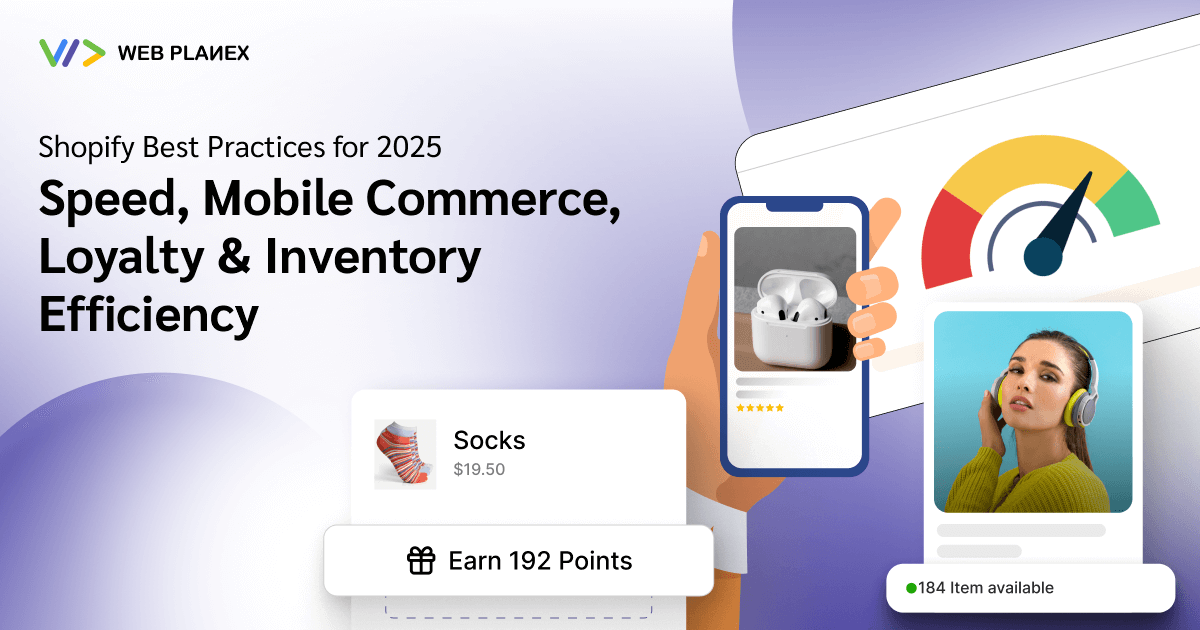
Shopify has come a long way from being just a store builder. In 2025, it’s a full commerce engine. But with that upgrade comes a new reality: running a successful Shopify store now launching quickly isn’t the secret anymore. What really matters is running your store in a smarter way. The brands climbing fastest these days aren’t just pouring cash into ads. They’re obsessed with making their sites lightning-quick, smooth on any phone, and so easy to use that customers keep coming back. Plus, they’ve got their operations humming quietly in the background.
Four things really matter: speed, mobile experience, loyalty, and running things smoothly. That’s what separates the best from the rest.
1. Speed Is No Longer Optional
Page speed used to be a “nice to have.” In 2025, it’s foundational.
People don’t wait around. A few years back, fast page loads were nice but not essential. Now, they’re a dealbreaker. People just don’t wait. If your homepage drags, your product pages freeze, or checkout takes forever, shoppers feel it right away, and you lose out. Conversion rates drop. Ads waste money. Search rankings slide. Even one extra second can chip away at your revenue, especially on mobile. So, it’s important to know how Shopify SEO works.
What slows stores down most often isn’t Shopify itself. It’s:
- Overloaded themes
- Excess scripts from apps
- Unoptimized images
- Poor handling of unused code
Many merchants assume fixing speed requires a developer or a theme change. In reality, most performance issues can be addressed without touching the theme at all.
Automated optimization tools have become essential here. They remove unused assets, optimize loading order, and handle performance improvements continuously instead of once. Shopify apps like SpeedBoostr are designed specifically for this reality, helping stores stay fast even as new apps, content, and traffic are added.
The takeaway is simple: speed needs to be maintained, not “fixed once.”
2. Mobile Commerce Is the Primary Experience
By 2026, mobile will no longer be a secondary.
A mobile-first approach means:
- Faster load times on mobile networks
- Clear navigation without clutter
- Minimal distractions during checkout
- Touch-friendly design elements
It also means thinking beyond the browser.
Brands are doubling down on mobile apps to keep their spot on your phone. With an app, they can send you push notifications, make browsing easier, speed up repeat orders, and just stick in your memory, especially if you shop with them often. It doesn’t matter if they use a slick website or a full app; the real aim is to make buying on your phone quick and painless.
3. Loyalty Is the Growth Engine Ads Can’t Replace
Customer acquisition costs continue to rise. Now, customers are more choosy about where they spend their money.
Loyalty in 2025 isn’t just about points. It’s about creating reasons for customers to return, and making those reasons easy to understand.
Effective loyalty programs focus on:
- Cashback or store credits that customers actually use
- Simple rewards for repeat purchases
- Incentives for referrals and engagement
- Clear balance visibility at checkout
When loyalty is handled well, it changes customer behavior. Shoppers stop comparing prices as aggressively. They come back directly instead of through ads.
Apps like Rewards Wallet help merchants manage this without adding complexity. Store credits, cashback balances, and reward logic all run quietly in the background, while customers see a clear benefit every time they return.
In 2025, loyalty isn’t a marketing add-on. It’s part of the buying experience.
4. Inventory and Invoicing Efficiency Keeps Operations Clean
Growth often exposes operational gaps. Orders increase, regions expand, and suddenly, manual processes don’t scale.
A common issue store-owners face is inconsistent or delayed invoicing:
- Customers request invoices manually
- Accounting teams struggle with records
- Compliance requirements vary by region
Automated invoicing removes this friction entirely. Invoices are generated the moment an order qualifies, delivered automatically, and stored in a structured way.
Shopify apps like Webplanex Invoices help standardize this process across Shopify and other platforms, ensuring accuracy without extra work. Multi-currency support, tax breakdowns, and branded templates aren’t just conveniences; they’re necessities once a store starts scaling.
Clean invoicing also improves customer trust. It’s one of those details customers notice only when it goes wrong.
5. Efficiency Comes From Systems, Not Effort
One of the biggest shifts in 2025 is how merchants think about efficiency.
The best Shopify stores aren’t working harder. They’re relying on systems that remove repetition:
- Automated speed optimization
- Built-in loyalty logic
- Auto-generated invoices
Consistent backend workflows
Connect the dots
Let’s connect the dots. Speed, mobile experience, loyalty, smooth operations, they’re not just boxes to check off. They feed into each other. A faster store brings in more sales. A mobile site that actually works keeps people coming back. Build loyalty, and customers stay. Automate your ecommerce store invoicing, and you can scale up without drowning in paperwork.
When you get all these working together, Shopify stops being a hassle. Suddenly, it’s actually helping you grow your business, not getting in your way.
Conclusion
It’s not about chasing every new trick. It’s about building a store that just works—loads fast, takes care of people, and grows without drama.
The merchants who invest early in performance, mobile, loyalty, and automation spend way less time fixing things later.
And that’s ultimately the advantage, not just selling more, but running a business that feels under control as it grows.