

Customer acquisition keeps getting more expensive every year. Meta ads cost more, Google CPCs keep climbing, and most ecommerce brands eventually realize something important:
Retention is where the real profit happens.
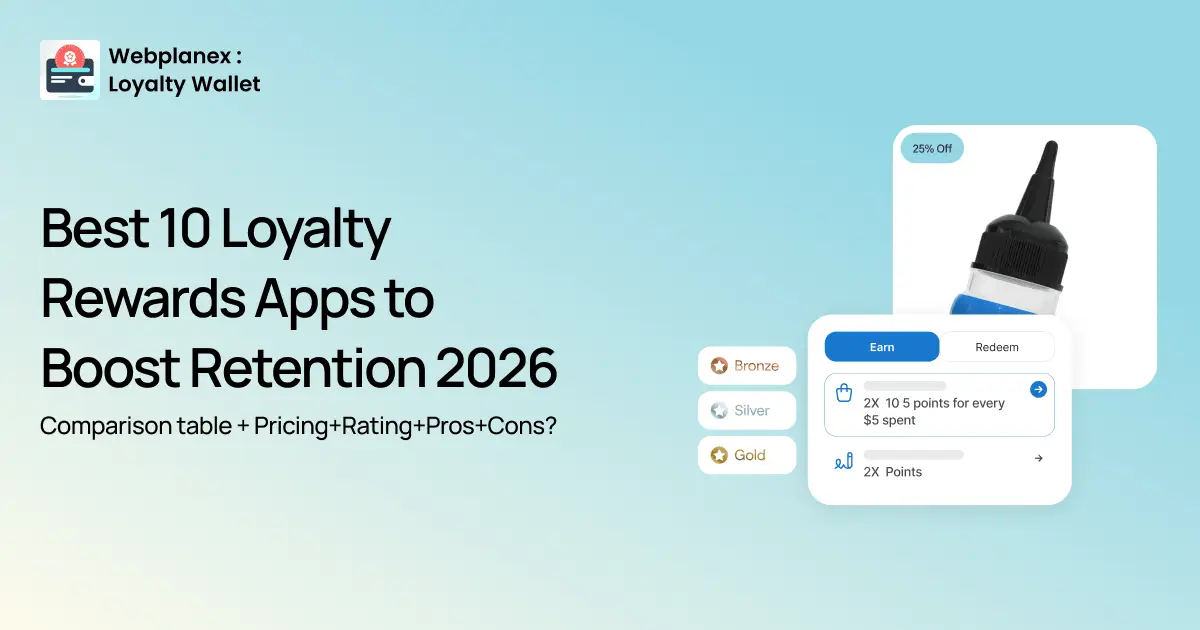
That’s exactly why Shopify loyalty apps have become such a major part of eCommerce growth strategies in 2026. A good rewards program doesn’t just hand out discounts, it gives customers a reason to come back instead of buying from competitors next time.
And honestly, loyalty programs are no longer only for enterprise brands. Even small Shopify stores are now using:
- Cashback Rewards
- VIP Tiers
- Referrals
- Store Credits
- Birthday Rewards
- Gamified Points Systems
…to improve repeat purchases and customer lifetime value.
According to multiple eCommerce studies and Shopify-focused reports, stores that use structured loyalty programs consistently see higher repeat purchase rates and retention.
Table of Contents
- Why Loyalty Programs Are Important?
- What is a Good Loyalty Rewards App?
- Best Shopify loyalty rewards apps
- Loyalty Rewards Apps Comparison Table
- How to Choose the Right Loyalty App for Your Shopify Store
- Conclusion
So let’s look at some of the best Shopify loyalty rewards apps merchants are using in 2026.
Why Loyalty Programs Are Important?
Getting new customers isn’t cheap, and Shopify brands know it’s smarter and more profitable to keep the ones they already have. By 2026, loyalty programs aren’t just a bonus; they drive e-commerce growth. People expect rewards, cashback, and offers tailored just for them.
Here’s what today’s loyalty programs do for stores:
- Repeat Purchases – New users cost a fortune, and winning over fresh customers is getting pricier by the day, draining marketing budgets.
- Customer Retention – Loyal customers are big spenders—regulars end up spending about 67% more than first-timers. They’re your real goldmine.
- Referral Sales – AI makes it personal—smarter tech means loyalty perks can finally feel tailored to the actual person, not a crowd.
- Customer Lifetime Value – Search algorithms notice & search engines are changing, and they now love brands that keep people coming back for more.
What is a Good Loyalty Rewards App?
An ideal loyalty app should be simple for both merchants and customers. If it feels confusing, customers might stop using it.
The best loyalty apps typically offer:
- Cashback or Points Rewards
- Referral Programs
- VIP Tiers
- Store Credits or Wallet Systems
- Branded Customer Experience
- Easy Shopify Integration
In most cases, a clean and easy-to-use loyalty experience performs better and is preferred more by customers.
1. WebPlanex: Loyalty Wallet
One thing many merchants dislike about loyalty systems is complexity. Some apps become overloaded with features that smaller stores never actually use.
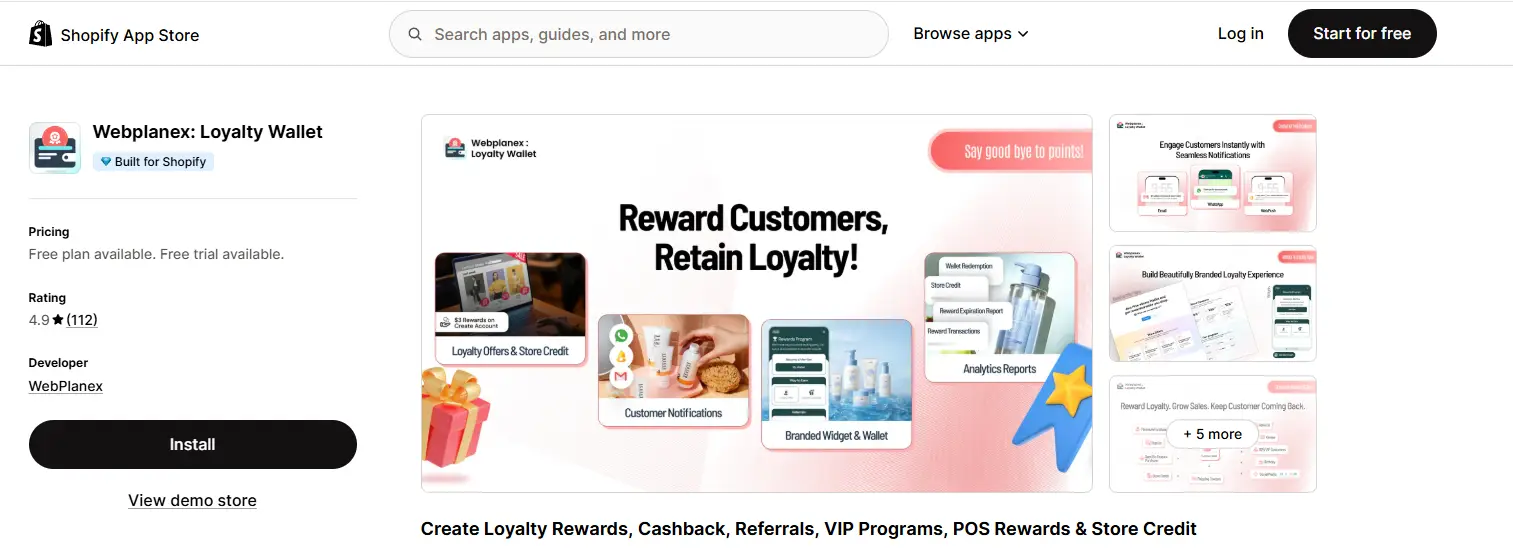
Loyalty Wallet takes a more practical approach focused on cashback rewards, store credits, referrals, and customer retention automation.
The app is especially useful for Shopify brands wanting:
- Cashback-based loyalty
- Wallet/store credit systems
- Referral programs
- Customer retention campaigns
- Customizable rewards workflows
One big plus is flexibility. Merchants get to design rewards however they want, by purchase amount, customer actions, or special promotions, without confusing shoppers along the way. And now, the platform has rolled out simpler SMTP integrations and better email customization, so stores can send on-brand messages that actually feel personal.
Pros
- Cashback + wallet-based rewards
- Easy referral system
- Flexible reward configuration
- Good for repeat-purchase brands
- Useful retention automation tools
Cons
- Less globally recognized than larger legacy platforms
- Enterprise analytics are still lighter than some premium competitors
Pricing
Starts with free/basic options; advanced plans vary by features.
2. Smile: Loyalty Program Rewards
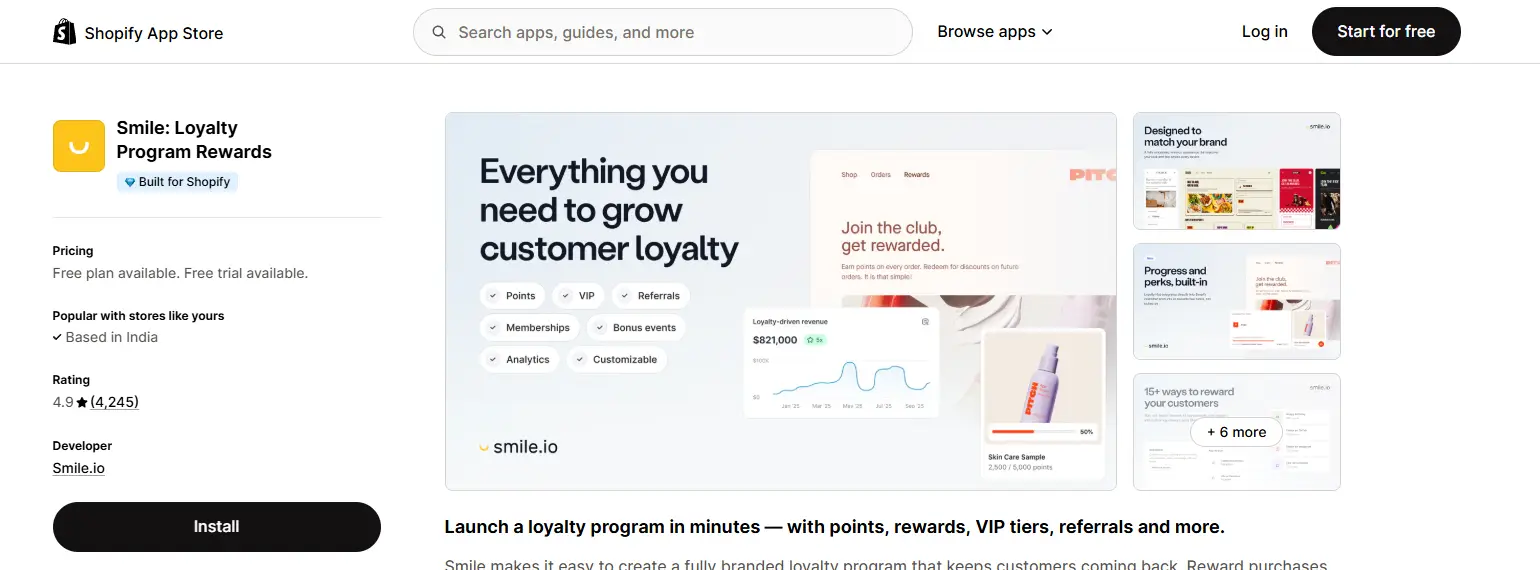
Smile.io is one of the most used loyalty apps in the Shopify ecosystem. People choose it because the setup is easy and it feels premium.
Smile supports:
- Points systems
- VIP programs
- Referrals
- Birthday rewards
- Review incentives
It’s often recommended for stores launching their first loyalty program because onboarding is straightforward.
Pros
- Beginner-friendly
- Strong Shopify ecosystem integrations
- Widely trusted
- Clean UI/UX
Cons
- Advanced features become expensive quickly
- Customization is limited on lower plans
Pricing
Free plan available
Paid plans start around $15/month
3. LoyaltyLion
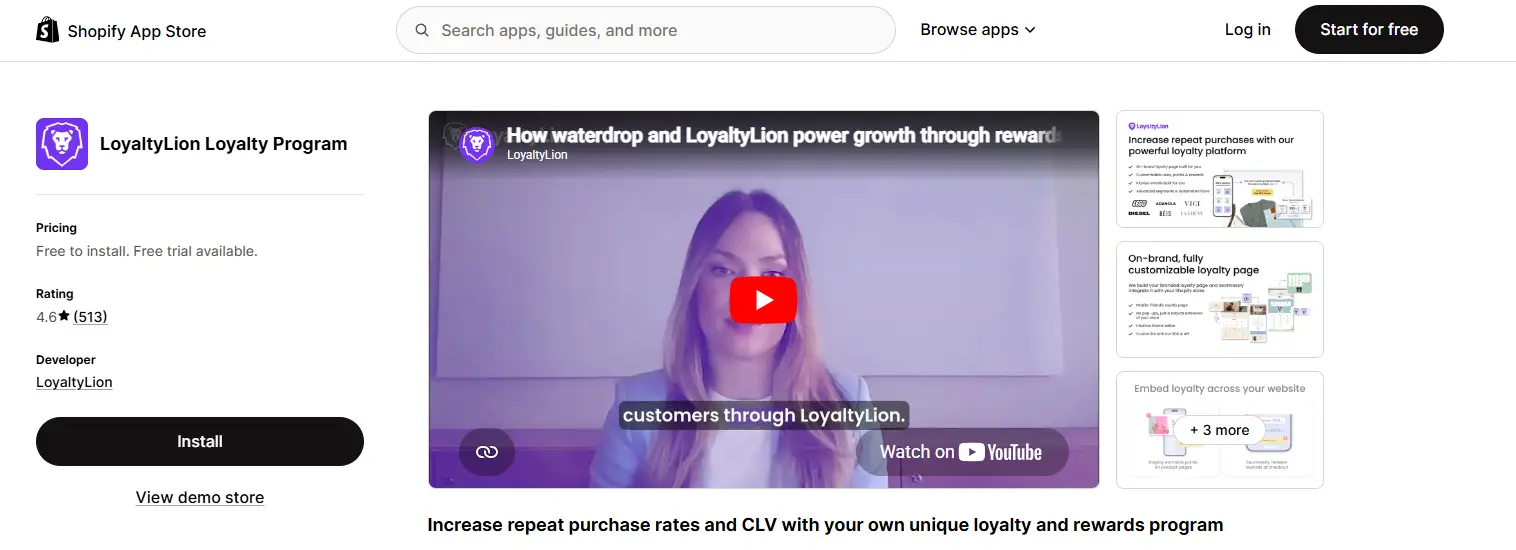
LoyaltyLion is focused more on larger eCommerce brands and data-driven retention strategies.
The platform offers:
- Advanced loyalty segmentation
- Customer analytics
- VIP tiers
- Referral programs
- Omnichannel retention features
It’s often used by scaling DTC brands that want deeper retention reporting and customer behavior insights.
Pros
- Strong analytics
- Enterprise-friendly
- Advanced segmentation
- Excellent for scaling brands
Cons
- Expensive for smaller stores
- Setup is more complex
Pricing
Starts around $199/month
4. Yotpo: Loyalty Rewards Referral
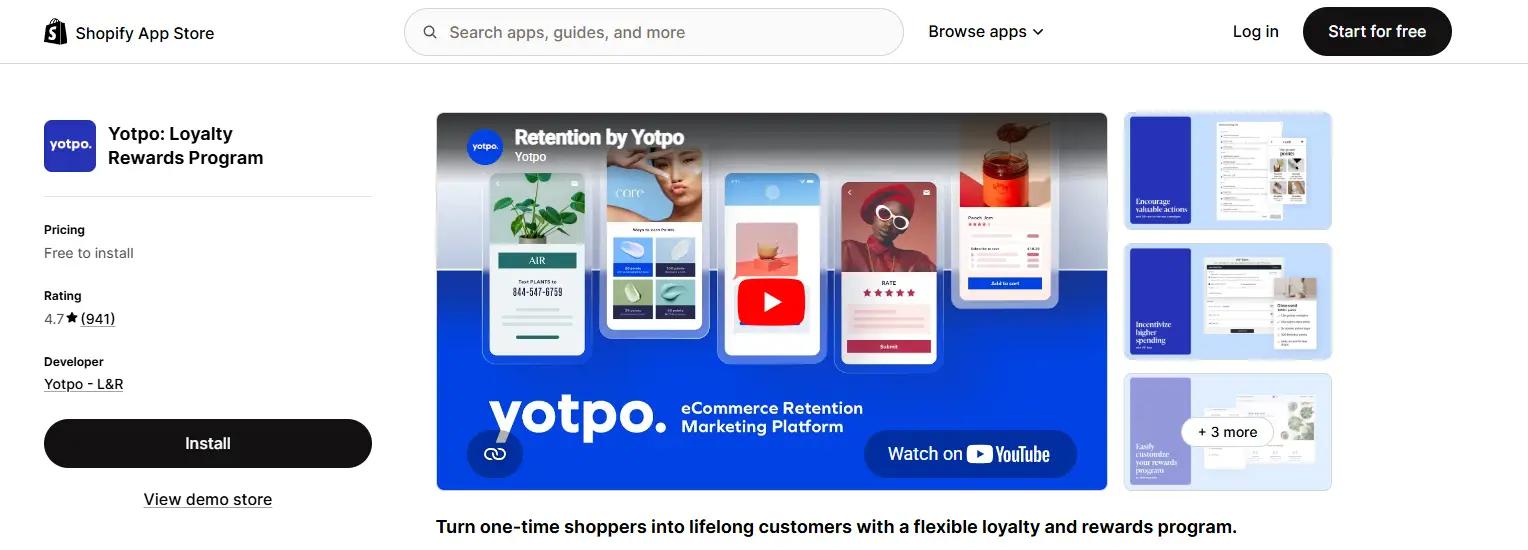
Yotpo Loyalty Rewards Referral is popular among brands already using other Yotpo products, like reviews or SMS marketing.
It includes:
- Referral programs
- Points systems
- Customer segmentation
- Checkout redemption
- Advanced integrations
Many enterprise Shopify brands prefer Yotpo because everything connects within one ecosystem.
Pros
- Powerful integrations
- Strong enterprise tools
- Excellent referral system
- Advanced reporting
Cons
- Higher pricing
- May feel overwhelming for small businesses
Pricing
Free plan available
Paid plans start around $199/month
5. BON Loyalty
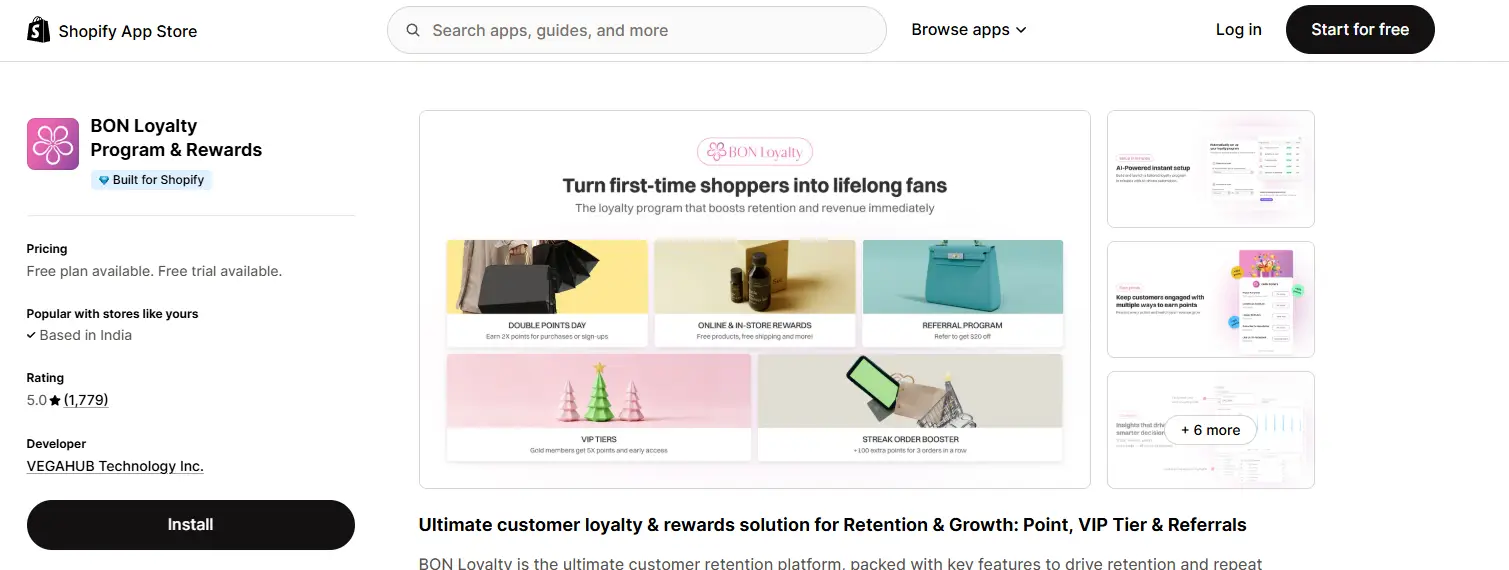
BON Loyalty has become increasingly popular because it offers many core loyalty features at lower pricing than larger competitors.
The app supports:
- Points programs
- Referrals
- VIP tiers
- Customer rewards
- Branding customization
Many smaller Shopify stores like BON because the free plan remains genuinely usable.
Pros
- Affordable pricing
- Strong free plan
- Easy setup
- Good customization
Cons
- Smaller integration ecosystem
- Fewer enterprise-level features
Pricing
Free plan available
Paid plans start around $15/month
6. Growave
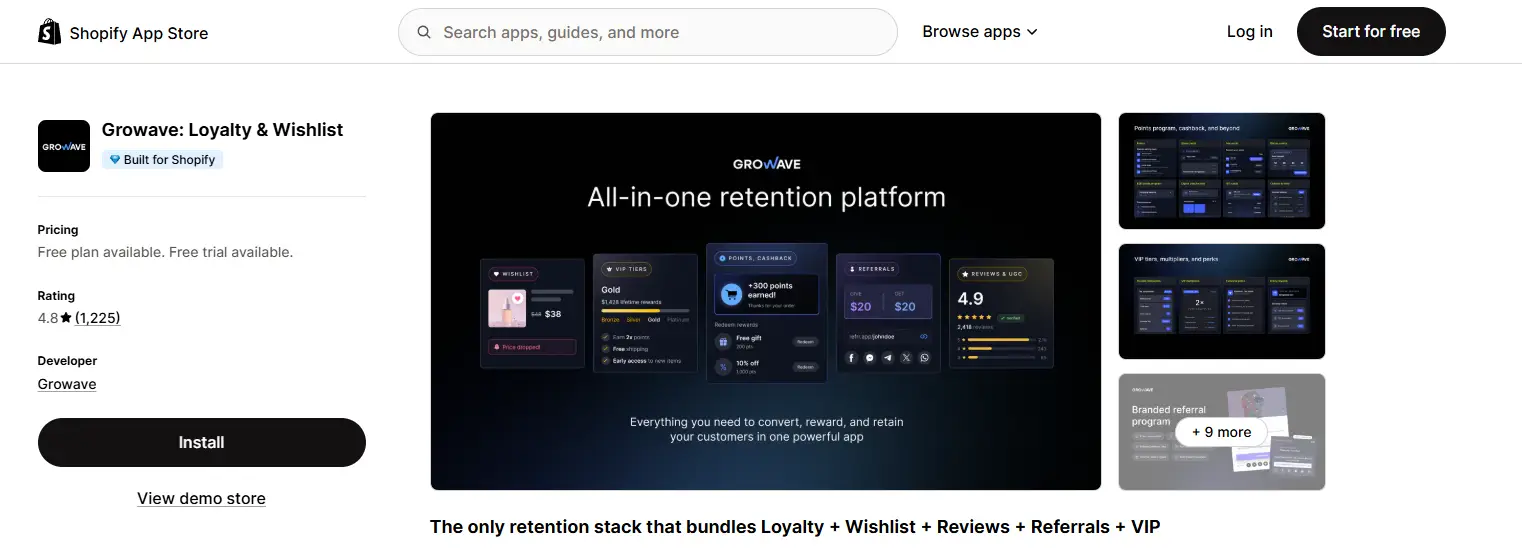
Growave combines multiple retention tools into one platform.
Instead of only loyalty rewards, it also includes:
- Reviews
- Wishlists
- Referrals
- Social proof tools
This makes it attractive for merchants wanting to reduce app stacking.
Pros
- All-in-one retention platform
- Good for reducing multiple apps
- Includes wishlist + reviews
- Strong mobile experience
Cons
- Can feel feature-heavy
- Some merchants prefer dedicated loyalty-only tools
Pricing
Starts around $49/month
7. Rivo Loyalty
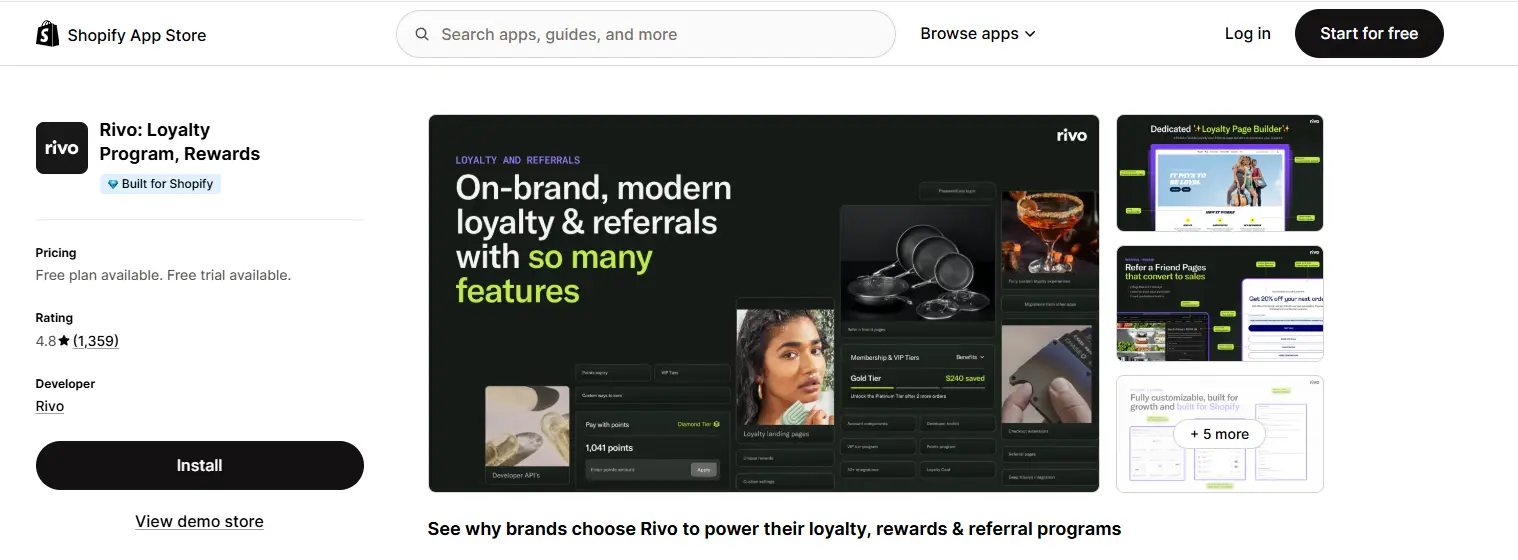
Rivo Loyalty is known for its clean design and beginner-friendly interface.
It focuses heavily on:
- Simplicity
- Customer engagement
- Branded loyalty widgets
- Referral systems
Smaller Shopify brands often choose Rivo because it feels lightweight and easy to manage.
Pros
- Very easy to use
- Good UI design
- Beginner-friendly
- Fast setup
Cons
- Advanced features are limited
- Less suited for enterprise stores
Pricing
Free plan available
8. AiT Loyalty, Review & WhatsApp
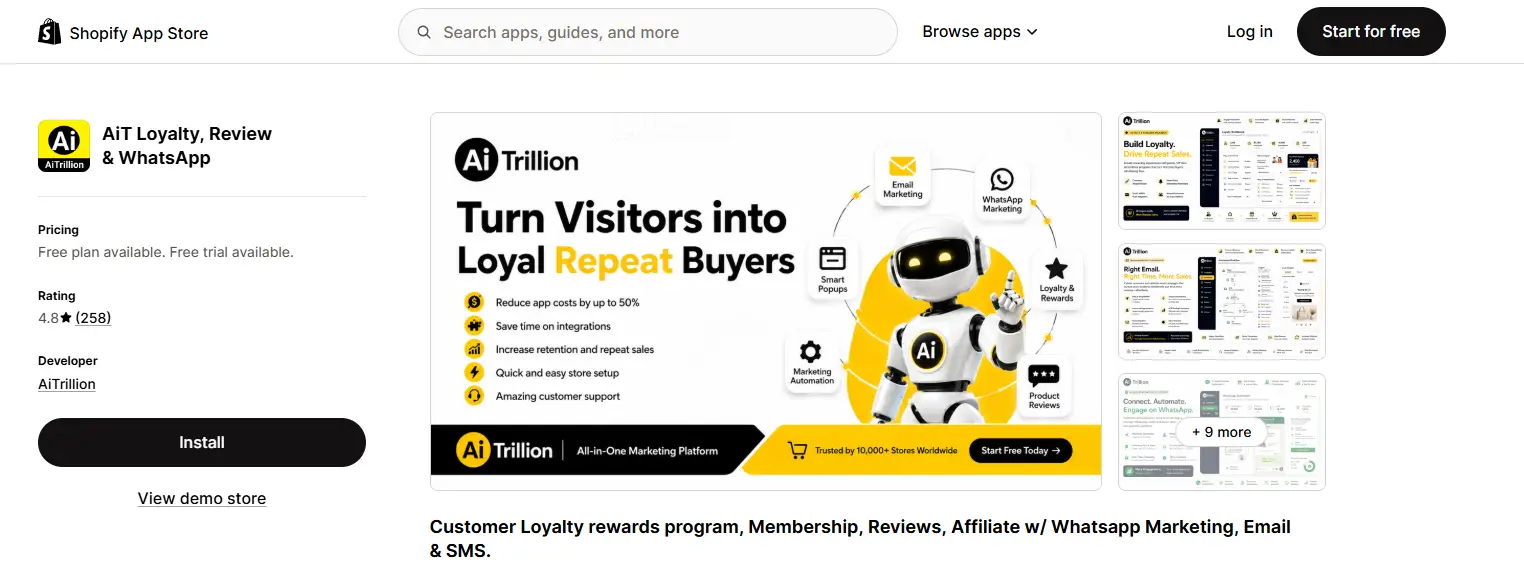
AiTrillion combines loyalty with broader marketing tools.
The platform includes:
- Rewards
- Email marketing
- Reviews
- Referrals
- Customer automation
It’s often used by merchants wanting a centralized customer retention stack.
Pros
- Multi-feature platform
- Strong marketing automation
- Useful integrations
- Good retention workflows
Cons
- The interface can feel busy
- The learning curve is higher
Pricing
Free plan available
9. Rise Gift Cards & Store Credit
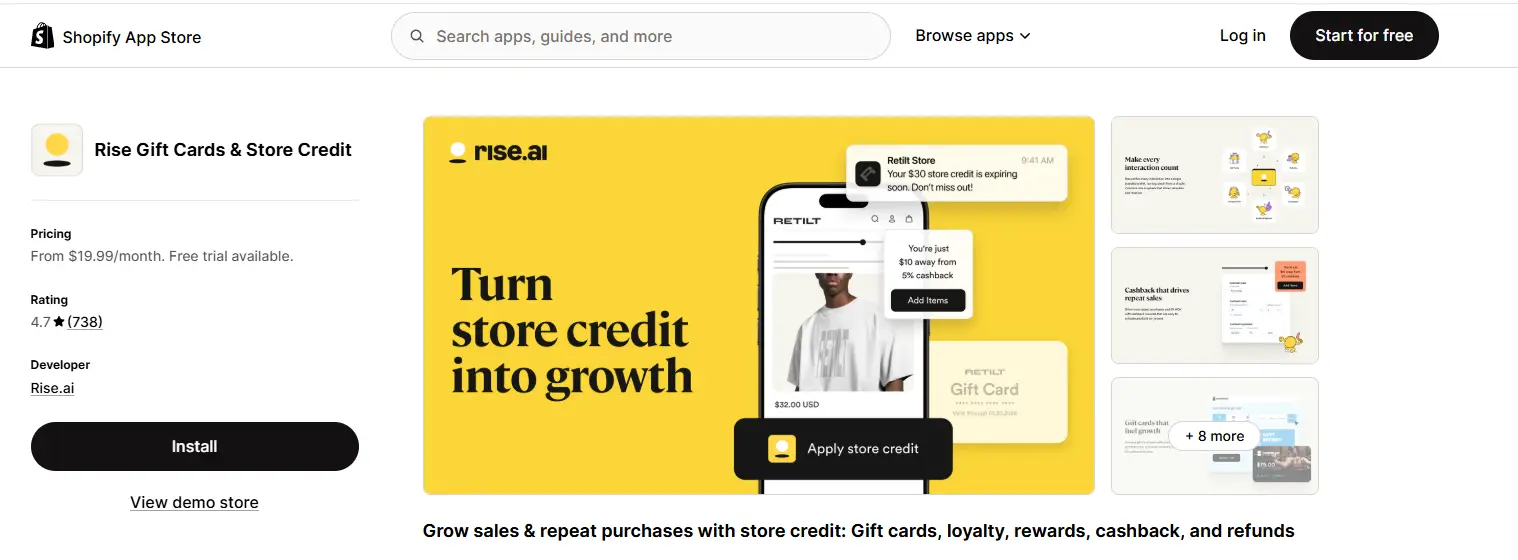
Rise.ai focuses more heavily on store credits, gift cards, and wallet systems rather than traditional points-based rewards.
For many brands, especially higher-ticket stores, cashback and store credits often perform better than abstract points systems.
Pros
- Excellent store credit functionality
- Great gift card workflows
- Strong customer wallet experience
Cons
- Less focused on gamified loyalty
- Pricing scales upward quickly
Pricing
Starts around $19.99/month
10. Joy Loyalty Program
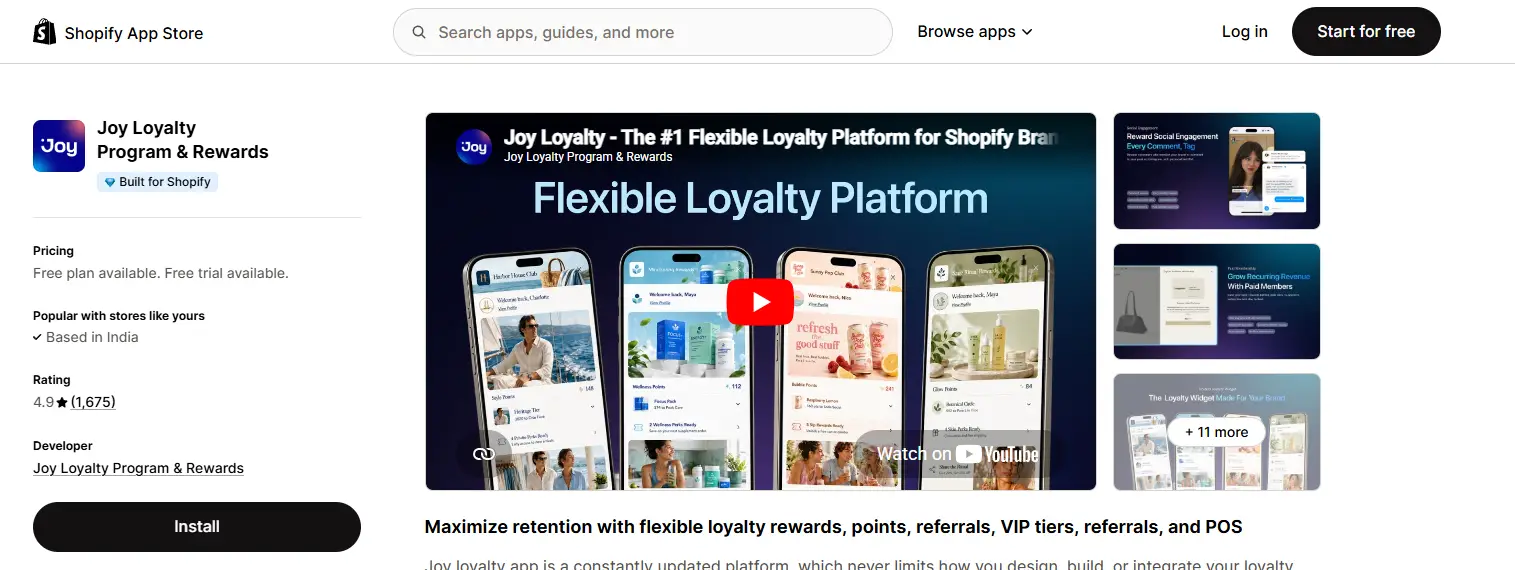
Joy Loyalty Program has gained popularity among small Shopify brands wanting affordable and straightforward loyalty functionality.
It offers:
- Points rewards
- Referrals
- VIP tiers
- Customer engagement tools
The setup process is relatively simple, making it suitable for stores launching their first rewards program.
Pros
- Budget-friendly
- Easy onboarding
- Good starter option
Cons
- Fewer advanced analytics
- Limited enterprise capabilities
Pricing
Free plan available
Customer Loyalty Rewards Apps Comparison Table
| App | Best For | Starting Price | Rating | Main Strength | Main Limitation |
| WebPlanex Loyalty Wallet | Cashback + wallet rewards | Free / custom plans | 4.8 | Cashback & store credits | Smaller brand awareness |
| Smile.io | Beginners & growing stores | $15/month | 4.8 | Easy setup | Advanced features cost more |
| LoyaltyLion | Enterprise brands | $199/month | 4.6 | Advanced analytics | Expensive |
| Yotpo Loyalty | Yotpo ecosystem users | $199/month | 4.7 | Enterprise integrations | Higher learning curve |
| BON Loyalty | Budget-friendly stores | $15/month | 4.9 | Affordable pricing | Smaller ecosystem |
| Growave | All-in-one retention | $49/month | 4.8 | Loyalty + reviews | Feature-heavy |
| Rivo Loyalty | Simple loyalty setup | Free / custom plans | 4.9 | Easy UI | Limited enterprise tools |
| AiTrillion | Marketing + loyalty | Free / custom plans | 4.7 | Combined marketing tools | Interface complexity |
| Rise.ai | Store credit rewards | $19.99/month | 4.8 | Wallet/store credit system | Less gamification |
| Joy Loyalty | Small stores | Free / custom plans | 4.8 | Easy onboarding | Limited advanced reporting |
How to Select the Right Loyalty App for Your Shopify Store
Before choosing an app, merchants should consider:
- Ease of use
- Reward flexibility
- Shopify integration
- Pricing
- Customer retention features
- Storefront performance impact
Apps like WebPlanex Loyalty Rewards App are popular because they combine cashback rewards, referrals, and wallet systems in a simple setup that works for both small and growing Shopify stores.
A loyalty program should feel easy and valuable for customers, not complicated or difficult to use.
Conclusion
There’s no single “best” Shopify loyalty app for every business.
Some brands need:
- Advanced analytics
- Enterprise segmentation
- Omnichannel retention
Others simply want:
- Cashback rewards
- Repeat purchase incentives
- Referral programs
- Easier customer retention
The important thing is choosing a loyalty system that actually matches your business model and customer behavior.
For many Shopify merchants in 2026, retention is no longer optional. Advertising costs are too high to rely entirely on new customer acquisition.
And honestly, even a simple loyalty system can make customers think twice before shopping somewhere else.